
Clifton Storm Roof Leak Drivers
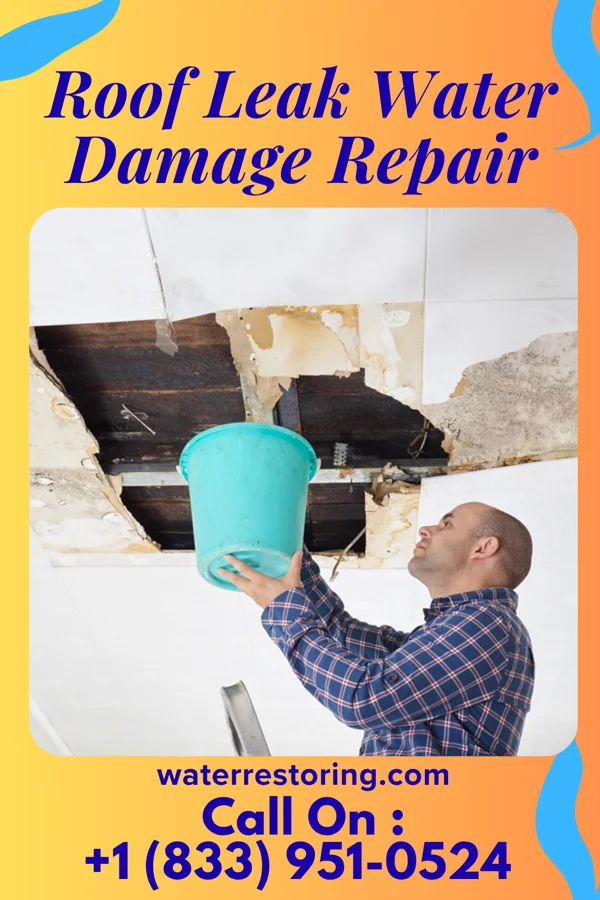
Water damage in Clifton tends to cluster in predictable windows because of the local climate. Clifton, Kansas experiences frequent thunderstorms and heavy rainfall, especially during the late spring and early summer months. These storms often bring sudden downpours that can overwhelm roofing systems, leading to leaks and water damage. The region's flat terrain and rural setting can allow water to pool around buildings, increasing the risk of basement flooding and structural damage. A close second is In addition to thunderstorms, Clifton is prone to high winds that can damage roofing materials, particularly shingles and flashing. The area also sees occasional hail storms, which can create dents and cracks in roofing surfaces, leading to long-term water infiltration issues..
The climate in Clifton, with its combination of heavy rain, high winds, and occasional hail, creates a unique set of challenges for roofing systems. These conditions can lead to rapid water damage, mold growth, and structural issues if not addressed promptly.
The climate in Clifton, with its combination of heavy rain, high winds, and occasional hail, creates a unique set of challenges for roofing systems. These conditions can lead to rapid water damage, mold growth, and structural issues if not addressed promptly. The dominant local driver is Clifton, Kansas experiences frequent thunderstorms and heavy rainfall, especially during the late spring and early summer months. These storms often bring sudden downpours that can overwhelm roofing systems, leading to leaks and water damage. The region's flat terrain and rural setting can allow water to pool around buildings, increasing the risk of basement flooding and structural damage., with In addition to thunderstorms, Clifton is prone to high winds that can damage roofing materials, particularly shingles and flashing. The area also sees occasional hail storms, which can create dents and cracks in roofing surfaces, leading to long-term water infiltration issues. showing up as the next most common cause. Damage builds in stages. Spread. Absorption. Microbial growth. Structural compromise. Every stage you pass through adds to the final bill.